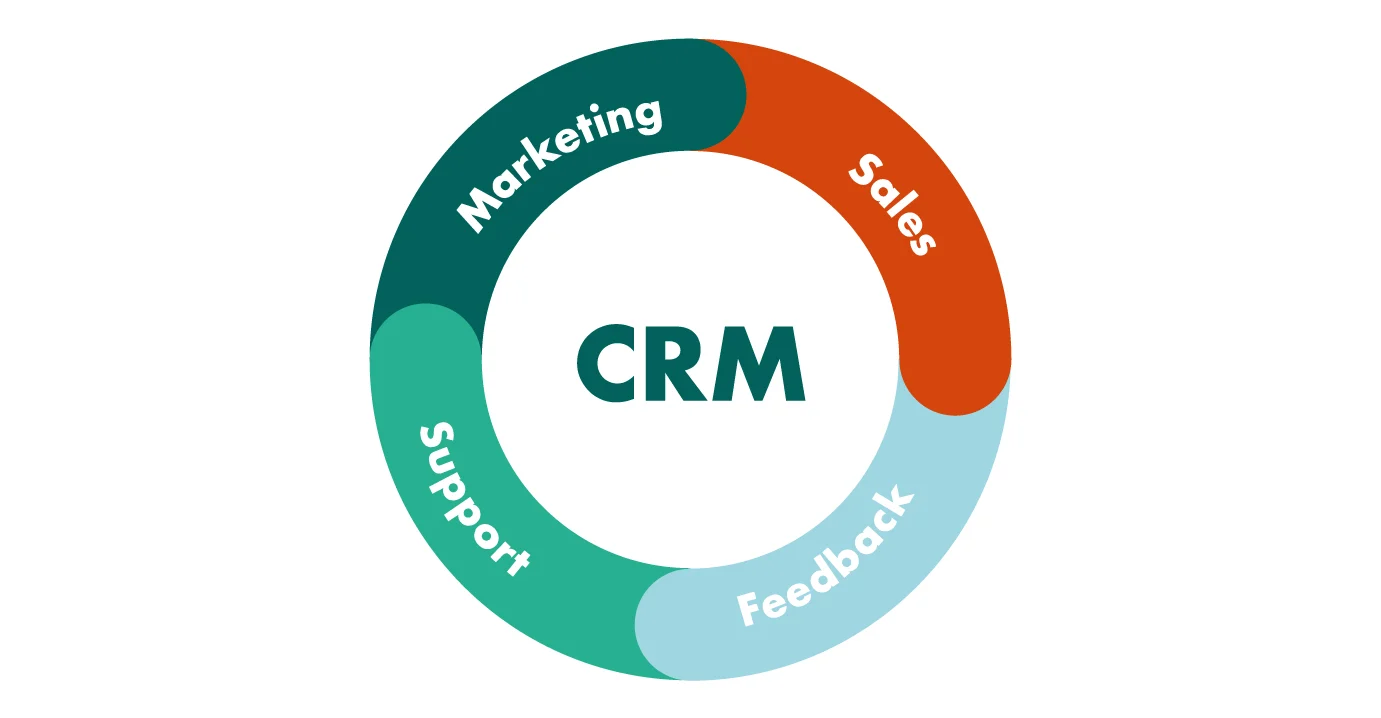
In today’s digital business landscape, you’ve likely heard the term CRM used in discussions around sales, marketing, or customer support. But what does CRM stand for, and why has it become a critical tool for companies of all sizes?
CRM stands for Customer Relationship Management. It refers to a strategy, process, and technology used by businesses to manage and analyze interactions with customers and potential customers. The goal is simple: improve business relationships to grow your company.
But CRM is more than just an acronym—it’s a powerful approach that can transform the way you acquire, engage, and retain customers.
What CRM Really Means
CRM stands for Customer Relationship Management, and it encompasses:
- Software platforms used to store and analyze customer data
- Processes designed to enhance customer engagement
- Strategies to build long-term relationships with customers
At its core, CRM is about using technology to provide a better customer experience, increase customer satisfaction, and ultimately drive more revenue.
The 3 Core Components of CRM
CRM isn’t just software; it includes three main pillars that support every successful CRM implementation:
1. CRM as a Technology (Software)
This is the tool—often cloud-based—that businesses use to store, track, and manage customer interactions. CRM platforms like Salesforce, HubSpot, Zoho CRM, and Microsoft Dynamics are widely used across industries.
2. CRM as a Strategy
CRM involves adopting a customer-centric approach to business. Instead of focusing solely on products or services, the emphasis is placed on building meaningful relationships with customers through personalized communication and support.
3. CRM as a Process
CRM also defines the workflows and procedures a business follows to manage relationships at every stage of the customer journey—from first contact to post-sale service and beyond.
Why CRM Matters in Today’s Business Environment
Businesses today are dealing with smarter, more connected consumers. CRM systems allow you to:
- Track every customer interaction across email, phone, chat, and social media
- Understand buying behavior through data and analytics
- Segment your audience for targeted marketing campaigns
- Automate routine tasks like follow-ups and reminders
- Measure team performance and sales effectiveness
CRM systems help businesses stay organized, responsive, and data-driven, which leads to increased customer loyalty and better decision-making.
What Does a CRM System Do?
Here are the key functions of a modern CRM system:
🔹 Contact Management
Store and organize detailed information about customers, including contact info, communication history, preferences, birthdays, and more.
🔹 Lead Management
Capture leads from your website, emails, and social platforms. Assign and track these leads through the sales pipeline.
🔹 Sales Automation
Automate repetitive sales tasks like setting reminders, sending emails, and updating lead statuses.
🔹 Marketing Automation
Segment your audience and send personalized email campaigns, newsletters, or promotional messages.
🔹 Customer Support & Service
Manage support tickets, assign cases to agents, and track issue resolution. Many CRM systems offer built-in helpdesk features.
🔹 Reporting & Analytics
Access real-time dashboards and custom reports on sales performance, customer retention, and team productivity.
Types of CRM Systems
There are three main types of CRM systems, each serving different business needs:
1. Operational CRM
Helps businesses manage day-to-day operations, automate workflows, and improve customer-facing processes like sales, marketing, and support.
Best for: Companies focused on streamlining customer acquisition and service.
2. Analytical CRM
Focuses on collecting and analyzing customer data to improve decision-making. It helps in identifying trends, buying patterns, and forecasting future behaviors.
Best for: Businesses wanting deep insights and data-driven strategies.
3. Collaborative CRM
Enables different departments—sales, support, marketing—to share customer data. Promotes better communication and consistent customer experiences.
Best for: Businesses with multiple customer touchpoints and larger teams.
Industries That Benefit Most from CRM
CRM systems are used across a wide variety of sectors. Here’s how different industries leverage CRM:
- Retail: Personalized promotions and loyalty program management
- Real Estate: Lead tracking, property follow-ups, and appointment scheduling
- Healthcare: Patient communication, appointment reminders, and service histories
- Travel & Hospitality: Booking management, customer preferences, and itinerary tracking
- Finance: Relationship management, client onboarding, and compliance tracking
- E-commerce: Abandoned cart recovery, customer segmentation, and upselling
No matter the industry, if you deal with customers—CRM can help.
Popular CRM Software Platforms
Here are some of the most widely used CRM platforms in 2025:
| CRM Platform | Best For | Notable Features |
|---|---|---|
| Salesforce | Enterprise businesses | Extensive customization, integrations, and AI tools |
| HubSpot CRM | Small to mid-sized companies | Free plan, marketing automation, and easy UI |
| Zoho CRM | Startups and SMBs | Budget-friendly, multichannel support |
| Pipedrive | Sales-focused teams | Visual sales pipelines and automation tools |
| Freshsales | Support-heavy businesses | AI-powered insights, built-in calling, email sync |
| Microsoft Dynamics | Mid to large enterprises | Seamless Microsoft 365 integration |
Benefits of CRM for Business Growth
✅ Improved Customer Relationships
With complete customer profiles and communication histories, you can engage in more meaningful and personalized interactions.
✅ Increased Efficiency
Automate follow-ups, eliminate redundant tasks, and help your teams focus on what matters—closing deals and serving clients.
✅ Data-Driven Decisions
With access to real-time reports and analytics, you can make smarter business decisions based on trends and KPIs.
✅ Better Collaboration
CRM acts as a centralized data hub, helping teams share information and collaborate more effectively.
✅ Enhanced Customer Retention
Timely communication, support, and engagement help retain customers and encourage repeat business.
CRM Trends to Watch in 2025
- AI-Powered CRM: Predictive analytics and chatbots for smarter engagement
- Voice and Conversational CRM: Using voice notes and assistants to manage tasks
- Mobile CRM: Apps designed for on-the-go sales reps and field agents
- Omnichannel CRM: Managing conversations across email, SMS, social, and chat in one place
- Integration-Centric CRM: More CRMs offering native integrations with eCommerce, accounting, and ERP systems
Conclusion
So, what does CRM stand for? In simple terms: Customer Relationship Management—but it’s much more than an acronym.
CRM is a powerful approach combining software, strategy, and process to help businesses attract leads, retain customers, and grow revenue. Whether you’re running a startup, managing a sales team, or scaling an enterprise, adopting the right CRM system can unlock efficiency, profitability, and long-term success.