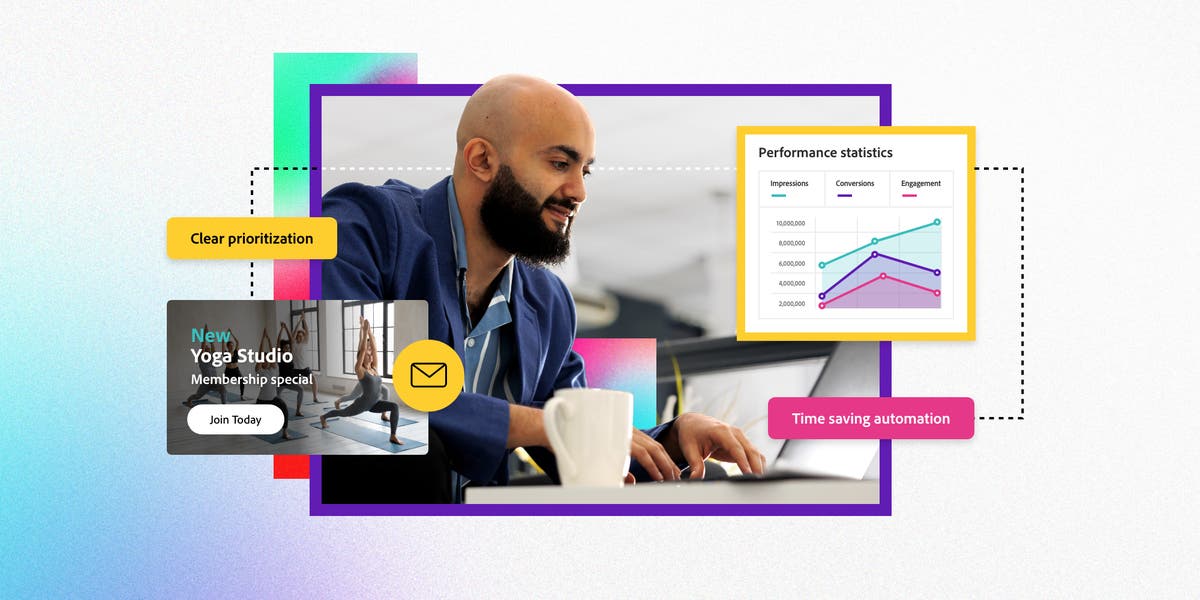
In today’s digital business landscape, companies strive to deliver exceptional customer experiences while maintaining efficient operations. At the heart of this effort lies the CRM platform — a powerful technology solution designed to transform how businesses manage their customer relationships.
If you’re asking, what is a CRM platform?, this comprehensive guide will walk you through its definition, features, benefits, and why it’s an essential tool for businesses of all sizes.
Defining a CRM Platform
A CRM platform is a software system that helps businesses collect, manage, and analyze customer data throughout the entire customer lifecycle. It acts as a centralized hub where sales, marketing, and customer service teams can collaborate by accessing up-to-date information on prospects and clients.
More than just a database, a CRM platform integrates automation, communication tools, analytics, and workflow management to enable companies to build stronger customer relationships, improve sales efficiency, and deliver personalized experiences.
Core Features of a CRM Platform
1. Contact and Lead Management
At its foundation, a CRM platform stores comprehensive customer and lead profiles, including contact details, interaction history, purchase records, and preferences. This centralized data repository allows teams to understand their customers better and tailor communications effectively.
2. Sales Pipeline and Opportunity Tracking
CRM platforms visualize sales pipelines, tracking each prospect’s stage in the buying process. This transparency helps sales teams prioritize leads, identify bottlenecks, and forecast revenue accurately.
3. Marketing Automation
From email campaigns to social media outreach, CRM platforms offer automation tools that segment audiences, schedule communications, and track campaign performance—maximizing marketing ROI.
4. Customer Support and Service Management
Integrated support ticketing and knowledge base features empower customer service teams to resolve issues quickly, maintain service consistency, and improve customer satisfaction.
5. Analytics and Reporting
Robust dashboards and reports provide real-time insights into sales trends, customer behavior, and campaign effectiveness, enabling data-driven decision making.
6. Integration Capabilities
Modern CRM platforms integrate seamlessly with other business systems—such as email clients, accounting software, and e-commerce platforms—to streamline workflows and unify data.
Why Businesses Need a CRM Platform
Centralized Customer Data
A CRM platform eliminates data silos by bringing all customer information into one accessible location, ensuring every team member is on the same page.
Enhanced Customer Engagement
By leveraging CRM insights, businesses can deliver personalized communication, anticipate customer needs, and respond proactively.
Boosted Sales Performance
Automated reminders, pipeline tracking, and data insights empower sales teams to close deals faster and reduce lost opportunities.
Improved Marketing Effectiveness
Targeted marketing campaigns based on CRM data result in higher conversion rates and more efficient budget use.
Superior Customer Service
Quick access to customer history and support tickets enables faster, more informed responses that increase satisfaction and loyalty.
Types of CRM Platforms
Operational CRM
Focuses on automating customer-facing processes such as sales, marketing, and customer support to improve operational efficiency.
Analytical CRM
Centers on data analysis and business intelligence to help companies better understand customer behavior and optimize strategies.
Collaborative CRM
Facilitates information sharing across different departments and teams to ensure consistent and unified customer communication.
Choosing the Right CRM Platform
When selecting a CRM platform, businesses should consider:
- Ease of Use: Intuitive interfaces promote user adoption and reduce training time.
- Customization: Ability to tailor workflows, fields, and reports to specific business needs.
- Scalability: Support for growth as the business and customer base expand.
- Integration: Compatibility with existing tools and software ecosystems.
- Mobile Accessibility: Allowing teams to access CRM data anytime, anywhere.
- Security: Robust data protection features to safeguard sensitive customer information.
Popular CRM Platforms in the Market
Some of the most widely adopted CRM platforms include:
- Salesforce: Known for its extensive features and customization options.
- HubSpot CRM: Offers a user-friendly, freemium model ideal for small to medium businesses.
- Zoho CRM: Affordable with strong automation and integration capabilities.
- Microsoft Dynamics 365: Integrates well with Microsoft products and enterprise systems.
- Pipedrive: Sales-focused CRM with an easy-to-use pipeline interface.
Conclusion
A CRM platform is a critical asset for businesses looking to foster meaningful customer relationships, optimize sales and marketing efforts, and deliver exceptional service. By centralizing customer data and providing tools for automation and analysis, CRM platforms enable companies to stay competitive in an increasingly customer-driven marketplace.
Investing in the right CRM platform not only improves operational efficiency but also drives sustainable growth through deeper, more personalized customer engagement.