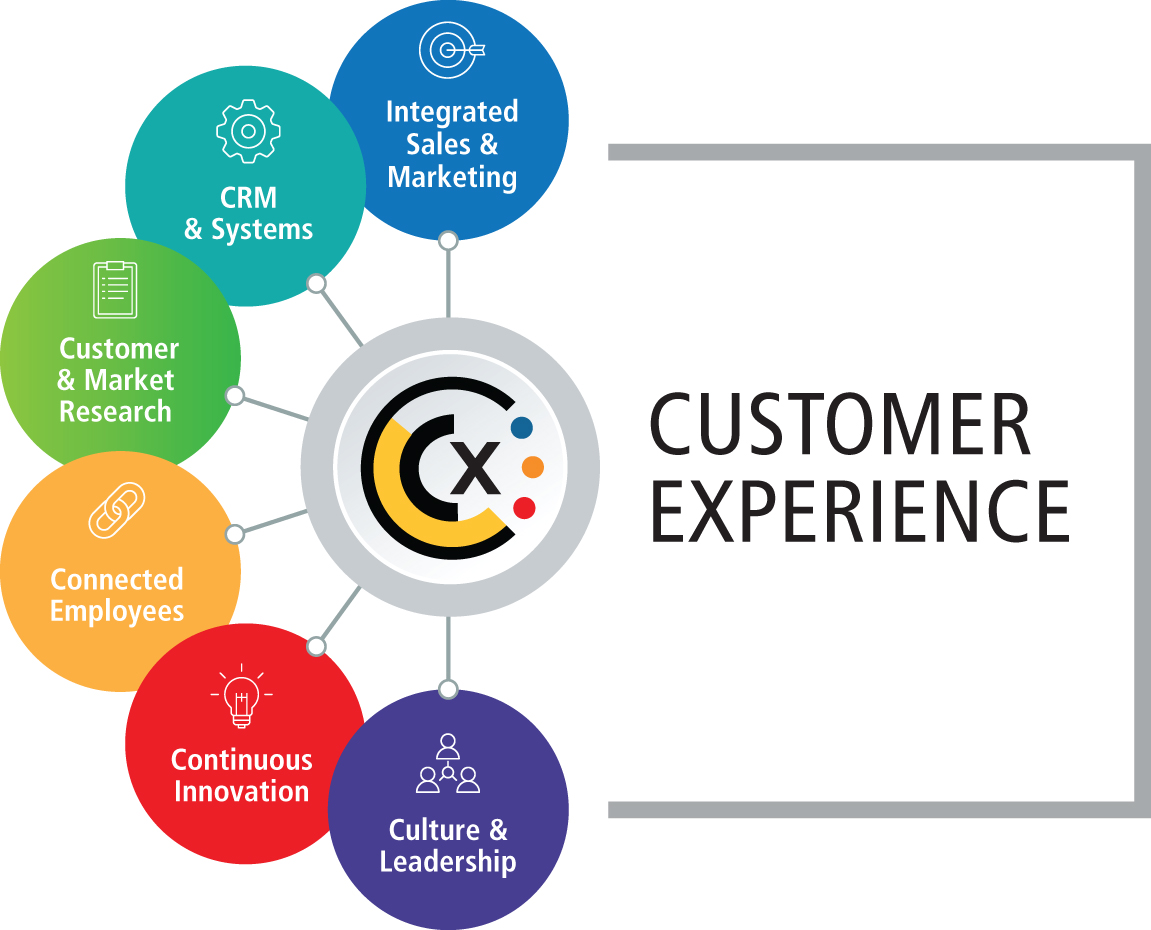
In today’s customer-centric business world, the term CRM experience is becoming increasingly important. But what is CRM experience, and why should businesses prioritize it? Simply put, CRM experience refers to the quality of interactions and relationships a customer has with a company through the use of Customer Relationship Management (CRM) systems and strategies.
This article explores the concept of CRM experience, why it matters, how it impacts customer loyalty, and how businesses can optimize it for success.
Defining CRM Experience
CRM experience describes the entire journey and perception customers have when interacting with a company’s CRM-enabled processes. It combines:
- The effectiveness of CRM software in managing customer data and interactions.
- The quality of communication and engagement customers receive.
- The ease and personalization of every touchpoint—sales, marketing, and customer support.
- How well a business uses CRM insights to meet customer expectations and resolve issues promptly.
In essence, CRM experience is how customers feel about their relationship with your business, powered by CRM tools and strategies.
Why CRM Experience Matters
1. Enhances Customer Satisfaction
A positive CRM experience means customers feel valued, heard, and understood. By leveraging CRM systems to provide personalized messages, timely responses, and consistent communication, businesses foster stronger emotional connections with their customers.
2. Improves Customer Retention
Businesses that excel in CRM experience reduce customer churn by anticipating needs, quickly resolving problems, and rewarding loyalty through targeted offers.
3. Drives Revenue Growth
Satisfied and loyal customers buy more, refer others, and engage with upsell opportunities. CRM experience directly correlates to increased sales and profitability.
4. Boosts Employee Efficiency
A seamless CRM experience isn’t just for customers—it also empowers employees. When teams have access to complete, organized customer data, they can work more effectively and deliver faster, personalized service.
Key Components of a Great CRM Experience
1. Personalized Communication
Customers expect brands to know their preferences and history. A CRM system that tracks past purchases, browsing behavior, and support requests enables tailored emails, offers, and outreach.
2. Omnichannel Engagement
Providing a consistent experience across channels—email, phone, social media, chat, and in-person—ensures customers don’t have to repeat themselves and can engage in their preferred way.
3. Quick and Effective Issue Resolution
CRM systems help support teams track problems and follow up until resolution, minimizing frustration and increasing trust.
4. Proactive Customer Service
By analyzing CRM data, companies can identify pain points before customers complain and reach out with solutions or helpful information.
5. Ease of Access
Customers appreciate easy-to-navigate portals, self-service options, and clear communication. CRM tools that simplify interactions contribute to a smoother experience.
How CRM Experience Enhances the Customer Journey
The customer journey consists of several stages where CRM experience plays a crucial role:
| Stage | How CRM Experience Adds Value |
|---|---|
| Awareness | Targeted marketing campaigns based on customer data. |
| Consideration | Personalized recommendations and timely follow-ups. |
| Purchase | Smooth sales process with real-time inventory updates. |
| Post-Purchase | Automated thank-you messages, warranty tracking, and support. |
| Loyalty & Advocacy | Loyalty programs, referral incentives, and feedback requests. |
Measuring CRM Experience
To optimize CRM experience, businesses track metrics such as:
- Customer Satisfaction Score (CSAT)
- Net Promoter Score (NPS)
- Customer Effort Score (CES)
- First Response Time
- Resolution Time
- Repeat Purchase Rate
These KPIs help companies understand how well their CRM strategy is working and where improvements are needed.
How to Improve Your CRM Experience
1. Invest in the Right CRM Platform
Choose a CRM system that supports omnichannel communication, automation, AI insights, and robust analytics to deliver seamless customer experiences.
2. Train Your Team
Ensure all employees understand the CRM tools and their role in enhancing customer relationships. Consistent use leads to better data and smoother interactions.
3. Use Customer Data Responsibly
Respect privacy and use customer data ethically to build trust while delivering personalized experiences.
4. Automate Routine Tasks
Automate follow-ups, appointment reminders, and data entry to free up staff time for more meaningful customer engagement.
5. Continuously Gather Feedback
Regularly survey customers about their experience and act on insights to refine your CRM approach.
Examples of Companies Excelling in CRM Experience
- Amazon uses CRM to personalize recommendations and provide fast customer service.
- Zappos focuses on empathetic support and swift problem resolution.
- Apple integrates CRM with its Genius Bar service for seamless in-person and online support.
Conclusion
The CRM experience is the lifeblood of modern customer relationship management. It represents how effectively your business uses CRM technology and strategies to create meaningful, personalized, and frictionless interactions.
By prioritizing CRM experience, companies can improve satisfaction, foster loyalty, and drive long-term growth. In today’s competitive landscape, investing in a superior CRM experience is no longer optional—it’s essential.