In the fast-paced world of sales, the ability to manage customer interactions effectively can make the difference between meeting quotas and exceeding them. If you’re wondering, what is CRM in sales?, the answer lies in understanding how Customer Relationship Management (CRM) systems transform sales processes to boost productivity, streamline workflows, and ultimately increase revenue.
CRM in sales is more than just software—it is a strategic approach supported by technology that helps sales teams build better relationships, close deals faster, and deliver personalized experiences that resonate with prospects and customers.
What Is CRM in Sales?
CRM in sales refers to the tools, processes, and strategies used by sales professionals to manage every interaction with current and potential customers throughout the sales cycle. It centralizes customer data, tracks sales activities, and automates repetitive tasks, enabling sales teams to focus on what truly matters: closing deals and growing business.
The primary goal of CRM in sales is to enhance customer engagement and improve sales efficiency by providing a structured way to nurture leads, follow up on opportunities, and forecast sales outcomes.
How CRM Transforms the Sales Process
1. Lead and Contact Management
A CRM system collects and organizes information about leads and contacts, including communication history, preferences, and buying behavior. This gives sales reps a comprehensive view of each prospect, allowing for more tailored and effective outreach.
2. Sales Pipeline Management
CRM provides a clear visualization of where each lead stands in the sales funnel—from initial contact to closing the deal. This helps sales teams prioritize efforts, identify bottlenecks, and allocate resources efficiently.
3. Task Automation
Manual tasks such as scheduling follow-ups, sending reminders, and updating records can be automated, freeing salespeople to focus on building relationships and closing sales.
4. Activity Tracking
Every call, email, meeting, and note is logged in the CRM, ensuring that all team members are informed and can collaborate seamlessly.
5. Forecasting and Reporting
CRM systems generate real-time reports and forecasts based on pipeline data, helping sales managers make informed decisions and plan strategies.
Key Features of CRM in Sales
| Feature | Benefit to Sales Teams |
|---|---|
| Contact & Lead Management | Centralized database of prospects and customers. |
| Pipeline Visualization | Clear insight into deal stages and progress. |
| Automated Follow-Ups | Ensures timely communication and improves response rates. |
| Sales Analytics | Tracks performance metrics and sales trends. |
| Mobile Access | Enables sales reps to work effectively on the go. |
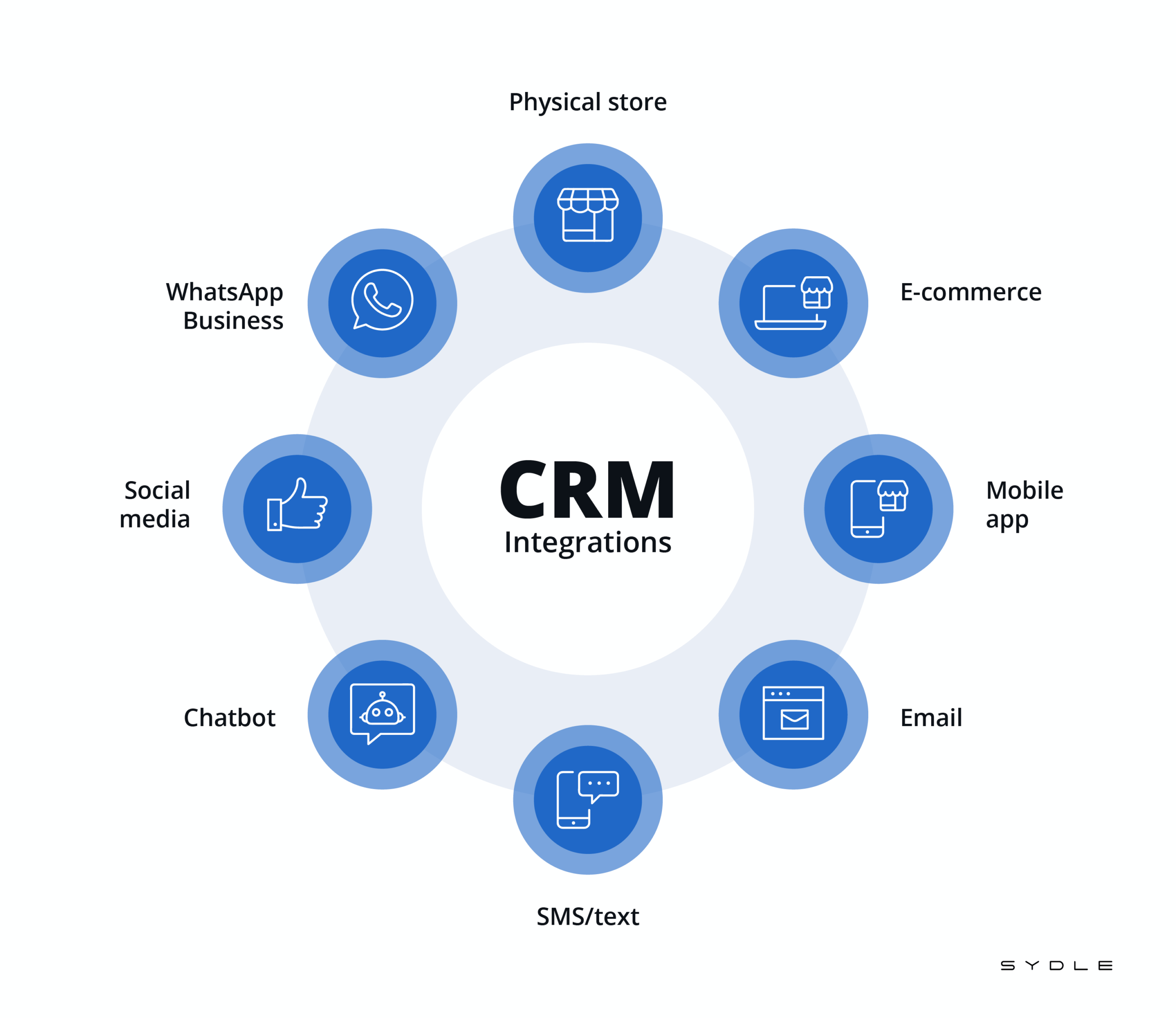
| Integration | Connects with email, calendars, marketing tools, and more. |
Benefits of CRM in Sales
Improved Sales Productivity
CRM automates routine tasks and provides sales reps with relevant data, allowing them to spend more time selling and less time on administrative duties.
Better Customer Understanding
With detailed customer profiles, sales teams can personalize their pitches and offer solutions that align with customer needs, increasing the likelihood of closing deals.
Enhanced Collaboration
CRM fosters transparency and collaboration by making customer data accessible across the organization, helping teams work together more effectively.
Higher Conversion Rates
By systematically managing leads and nurturing prospects, CRM increases the chances of turning opportunities into customers.
Accurate Sales Forecasting
Sales managers can rely on real-time data to predict revenue, set realistic targets, and allocate resources wisely.
CRM in Sales: A Real-Life Example
Consider a sales team for a software company using CRM:
- They capture leads from the website automatically.
- The CRM assigns leads to reps based on territory.
- Sales reps track each lead’s progress with detailed notes and scheduled follow-ups.
- Automated reminders prevent leads from falling through the cracks.
- Managers monitor pipeline health and forecast monthly revenue.
This organized, data-driven approach results in shorter sales cycles, increased deal closure rates, and higher customer satisfaction.
Choosing the Right CRM for Your Sales Team
When selecting a CRM for sales, consider:
- User-friendly interface to encourage adoption.
- Customization options to fit your unique sales processes.
- Integration capabilities with email, marketing automation, and other tools.
- Mobile functionality for salespeople in the field.
- Robust reporting and analytics for tracking performance.
Popular CRM platforms for sales teams include Salesforce, HubSpot CRM, Pipedrive, Zoho CRM, and Freshsales, each designed to streamline sales efforts and maximize efficiency.
Conclusion
What is CRM in sales? It is the cornerstone of modern sales success—a strategic system that equips sales teams with the tools and insights needed to manage leads, accelerate pipelines, and close deals effectively. By adopting a CRM solution tailored for sales, businesses empower their teams to work smarter, build stronger customer relationships, and drive sustainable revenue growth.
In a world where customer expectations are higher than ever, leveraging CRM in sales is not just an advantage—it’s a necessity.