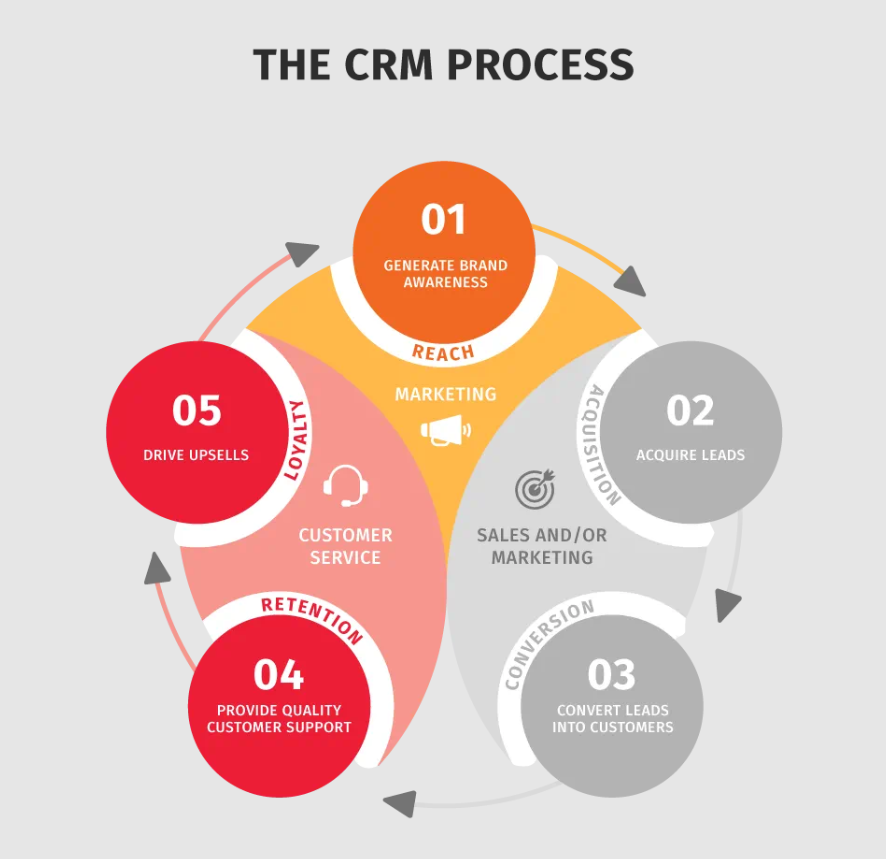
In the business world, the acronym CRM is everywhere. But if you’re asking yourself, what is the CRM?, it’s important to understand that CRM stands for Customer Relationship Management, a fundamental concept and technology that drives how companies interact with their customers.
This article will provide a thorough overview of what CRM is, how it works, why it matters, and how it can transform business operations.
Understanding the CRM: Definition and Purpose
CRM refers both to a business strategy and a technology system designed to manage a company’s interactions with current and potential customers. Its main purpose is to improve business relationships, streamline processes, and enhance customer satisfaction and loyalty.
At its core, CRM is about collecting and organizing customer data, tracking every interaction, and using that data to provide better, more personalized service and targeted marketing.
How CRM Works
A CRM system consolidates customer information from various channels—such as emails, phone calls, social media, website visits, and in-person meetings—into a single database. This centralized repository allows companies to:
- Gain a 360-degree view of each customer
- Monitor sales opportunities and pipeline status
- Automate routine marketing and sales tasks
- Track customer service issues and resolutions
- Analyze customer behavior to make informed business decisions
By integrating this information, CRM enables businesses to engage with customers more effectively and efficiently.
Key Features of CRM Systems
| Feature | Description |
|---|---|
| Contact Management | Stores detailed customer profiles and communication history. |
| Sales Automation | Tracks deals, manages pipelines, and automates follow-ups. |
| Marketing Automation | Executes targeted campaigns based on customer data. |
| Customer Support Tools | Manages service tickets and facilitates quick resolution. |
| Analytics & Reporting | Provides insights into customer behavior and business performance. |
| Integration | Connects with other tools like email, calendars, and accounting software. |
Why Is CRM Important for Businesses?
Enhances Customer Relationships
By keeping detailed records of every interaction, businesses can personalize their communication and deliver relevant experiences that build trust and loyalty.
Increases Sales Efficiency
CRM tools help sales teams prioritize leads, automate routine tasks, and track deals, resulting in faster sales cycles and higher close rates.
Improves Marketing Effectiveness
With detailed customer insights, marketing teams can create more precise campaigns that generate better engagement and return on investment.
Boosts Customer Service
Quick access to customer history enables support teams to resolve issues faster and more effectively, leading to improved satisfaction.
Drives Data-Driven Decisions
Real-time analytics from CRM systems help businesses understand trends, customer needs, and operational performance, enabling smarter strategies.
CRM as a Business Strategy
Beyond technology, CRM is a mindset that puts the customer at the center of business processes. Companies adopting CRM strategies focus on:
- Listening to customer feedback
- Delivering consistent, high-quality experiences
- Building long-term loyalty rather than one-time sales
- Aligning sales, marketing, and customer service efforts
This customer-centric approach is critical in today’s competitive marketplace.
Popular CRM Platforms
Numerous CRM solutions are available, catering to different industries and business sizes. Some leading platforms include:
- Salesforce: A robust, highly customizable CRM for enterprises.
- HubSpot CRM: Known for its ease of use and free entry-level options.
- Zoho CRM: Offers a wide range of features at an affordable price.
- Microsoft Dynamics 365: Integrates deeply with Microsoft Office products.
- Pipedrive: Focuses on sales pipeline management for small and medium businesses.
Conclusion
What is the CRM? It is both a powerful tool and a vital business philosophy that helps companies nurture relationships with their customers, drive sales growth, and improve overall efficiency. By integrating data, automating processes, and fostering personalized engagement, CRM systems empower businesses to thrive in an increasingly customer-driven economy.
Understanding and implementing CRM effectively is essential for any company seeking long-term success and competitive advantage.