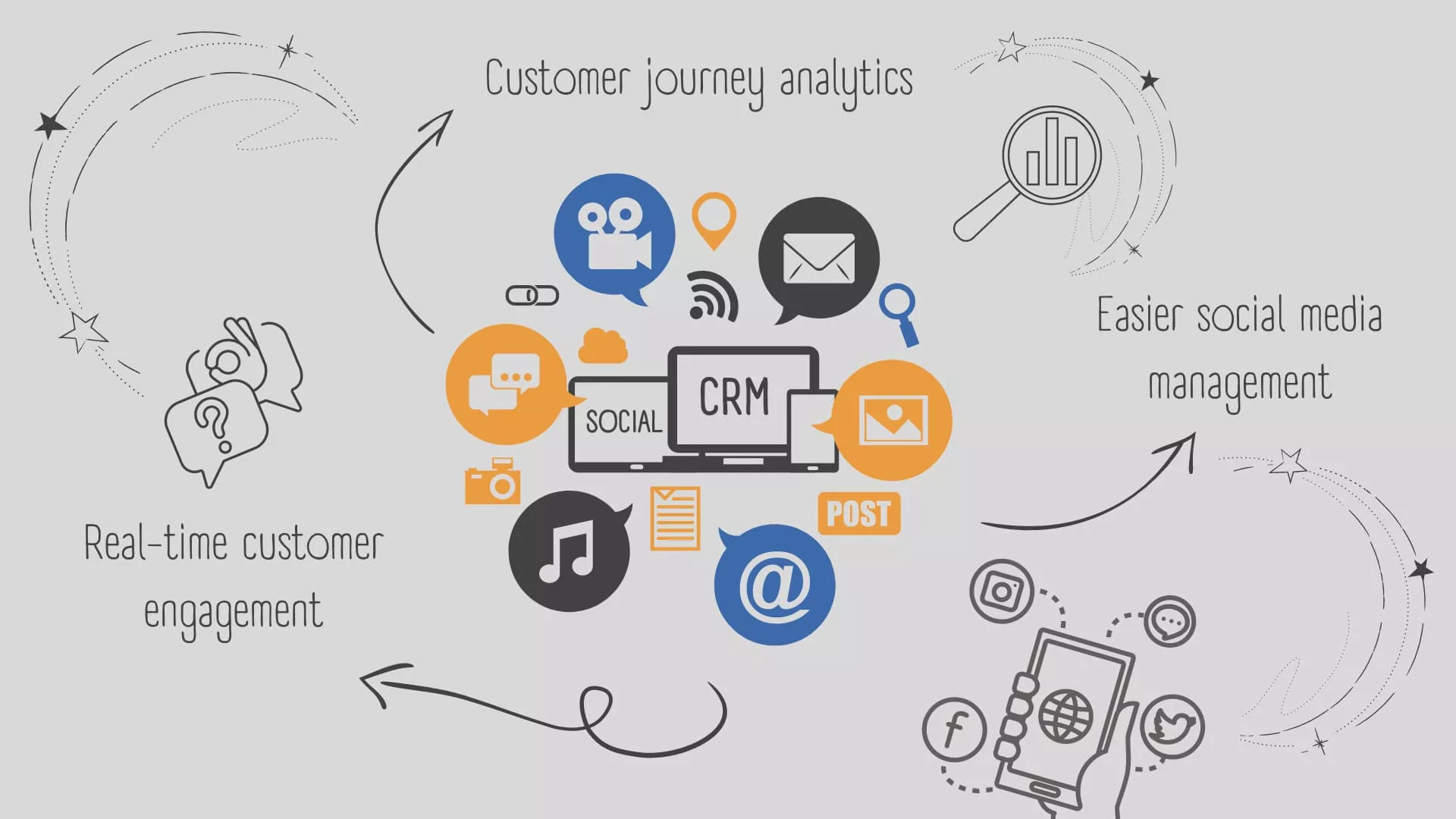
In the digital age, where real-time engagement and personalized experiences define brand success, Social Media CRM (Customer Relationship Management) has emerged as a game-changing strategy. Businesses can no longer afford to treat social media as a standalone marketing tool—it has become an essential component of customer engagement, support, and retention. Social Media CRM seamlessly merges the capabilities of CRM platforms with the dynamic, real-time nature of social media, allowing brands to build stronger, deeper, and more valuable relationships with their audience.
What is Social Media CRM?
Social Media CRM is the integration of social media platforms like Facebook, Twitter, Instagram, LinkedIn, and others with traditional CRM systems. This integration enables businesses to track, analyze, and engage with customers across multiple social channels from a unified dashboard. It turns casual followers into qualified leads and existing customers into brand advocates by aligning sales, marketing, and support efforts on social platforms.
Key Benefits of Social Media CRM
1. Real-Time Customer Engagement
With Social Media CRM, businesses can monitor conversations, mentions, hashtags, and direct messages in real-time. This allows for instant responses to customer queries, feedback, or complaints—significantly improving the customer experience and strengthening brand trust.
2. Enhanced Customer Insights
By tapping into the social behavior of your audience, Social Media CRM provides rich insights such as customer preferences, sentiment analysis, content engagement, and buying patterns. These insights help businesses personalize communication and craft more targeted campaigns.
3. Unified Communication Channels
Gone are the days of switching between multiple tabs and apps. Social Media CRM consolidates interactions across Facebook, Instagram, LinkedIn, X (formerly Twitter), YouTube, TikTok, and more into a single interface, ensuring that no message or comment is ever missed.
4. Better Lead Generation and Nurturing
Every comment, like, or DM is an opportunity. Social Media CRM tools automatically capture potential leads from social platforms, enrich them with demographic and behavioral data, and funnel them into your sales pipeline for nurturing.
5. Social Listening and Sentiment Tracking
Understand how customers feel about your brand, competitors, or industry trends through AI-driven sentiment analysis. Social Media CRM helps you proactively manage brand reputation and make informed decisions based on public perception.
Core Features of a Social Media CRM Platform
1. Social Media Integration
A powerful Social Media CRM connects with all major social platforms, allowing you to schedule posts, monitor engagement, and respond to messages directly within the CRM.
2. Automated Responses and Chatbots
Save time and ensure 24/7 availability with intelligent automation tools such as chatbots, canned responses, and AI-driven workflows that handle FAQs, bookings, or lead qualification.
3. Contact and Interaction Management
Track every interaction—likes, shares, comments, tags, DMs—on customer profiles within the CRM. This holistic view of engagement enables more personalized communication and efficient follow-ups.
4. Analytics and Reporting
Measure campaign performance, engagement rates, follower growth, and ROI with advanced analytics dashboards and customizable reports. Social CRM tools help identify what’s working and what needs improvement.
5. Team Collaboration Tools
Assign social tickets to specific team members, track resolution time, and maintain accountability with task management and internal notes features.
Top Social Media CRM Platforms in 2025
1. HubSpot CRM
HubSpot offers a robust Social Media CRM module with scheduling, monitoring, and reporting capabilities built-in. It integrates seamlessly with Facebook, Instagram, LinkedIn, and Twitter.
2. Zoho CRM
Zoho provides native integration with social platforms and includes lead capture tools, contact management, and powerful analytics for social engagement.
3. Sprout Social
Though traditionally a social media management platform, Sprout Social offers strong CRM functionalities such as smart inboxes, customer history tracking, and sentiment analysis.
4. Salesforce Social Studio
Ideal for enterprise users, Salesforce Social Studio integrates with the broader Salesforce ecosystem to provide deep customer insights, AI-driven recommendations, and extensive automation features.
5. Freshsales
Freshsales includes social CRM features like Twitter lead capture, Facebook integration, and multichannel engagement tracking, making it suitable for SMBs and startups.
Use Cases: How Businesses are Winning with Social Media CRM
E-Commerce and Retail
- Monitor product feedback in real-time.
- Capture leads from Instagram or Facebook comments.
- Use retargeting strategies based on customer interaction data.
SaaS and Tech Startups
- Provide instant tech support via social DMs.
- Engage early adopters and influencers.
- Track product feature requests and bugs mentioned on social platforms.
Hospitality and Travel
- Respond to guest inquiries quickly on social channels.
- Promote offers and packages based on seasonal engagement trends.
- Build community through user-generated content and reviews.
Education and Online Courses
- Answer student queries via Messenger or Instagram DM.
- Run personalized remarketing campaigns.
- Track course feedback and reviews on social media.
Best Practices for Implementing Social Media CRM
1. Define Clear Objectives
Set measurable goals such as increasing response rates, improving customer satisfaction, or generating leads through social media.
2. Choose the Right Tools
Select a Social Media CRM platform that aligns with your business size, industry, and objectives. Prioritize tools with automation, scalability, and data security.
3. Train Your Team
Ensure your team is trained to use the CRM effectively. Establish protocols for tone of voice, response times, and conflict resolution.
4. Monitor and Adjust
Use analytics to track performance, identify gaps, and optimize strategies. Regular audits of your social CRM processes help ensure ongoing success.
5. Integrate with Other Systems
Social Media CRM works best when integrated with email marketing, sales funnels, customer support systems, and data analytics tools to form a holistic view of the customer journey.
The Future of Social Media CRM
The line between marketing, sales, and support is blurring—and Social Media CRM is at the center of this convergence. With the rise of AI, chatbots, and predictive analytics, future Social CRM platforms will offer even deeper personalization, real-time intent detection, and autonomous customer engagement. Voice-enabled support, conversational commerce, and augmented reality are next on the horizon.
Companies that embrace Social Media CRM today are not just gaining a competitive edge—they are future-proofing their customer relationships.
Final Thoughts
In a world where every tweet, comment, or DM can make or break brand loyalty, businesses need more than just a CRM—they need a Social Media CRM. By integrating social intelligence with customer data, businesses can deliver more meaningful, timely, and personalized experiences that drive loyalty, advocacy, and growth.